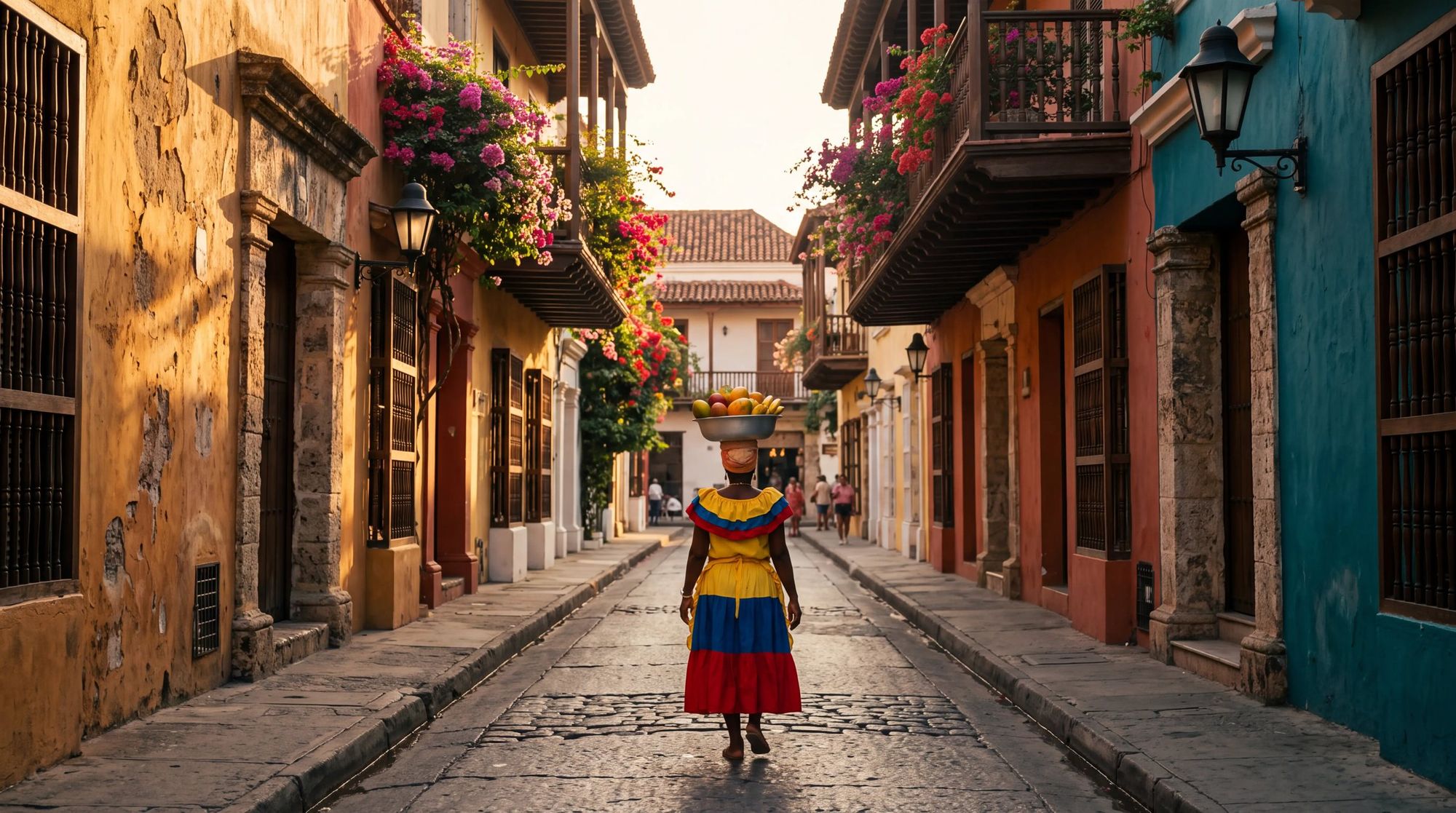
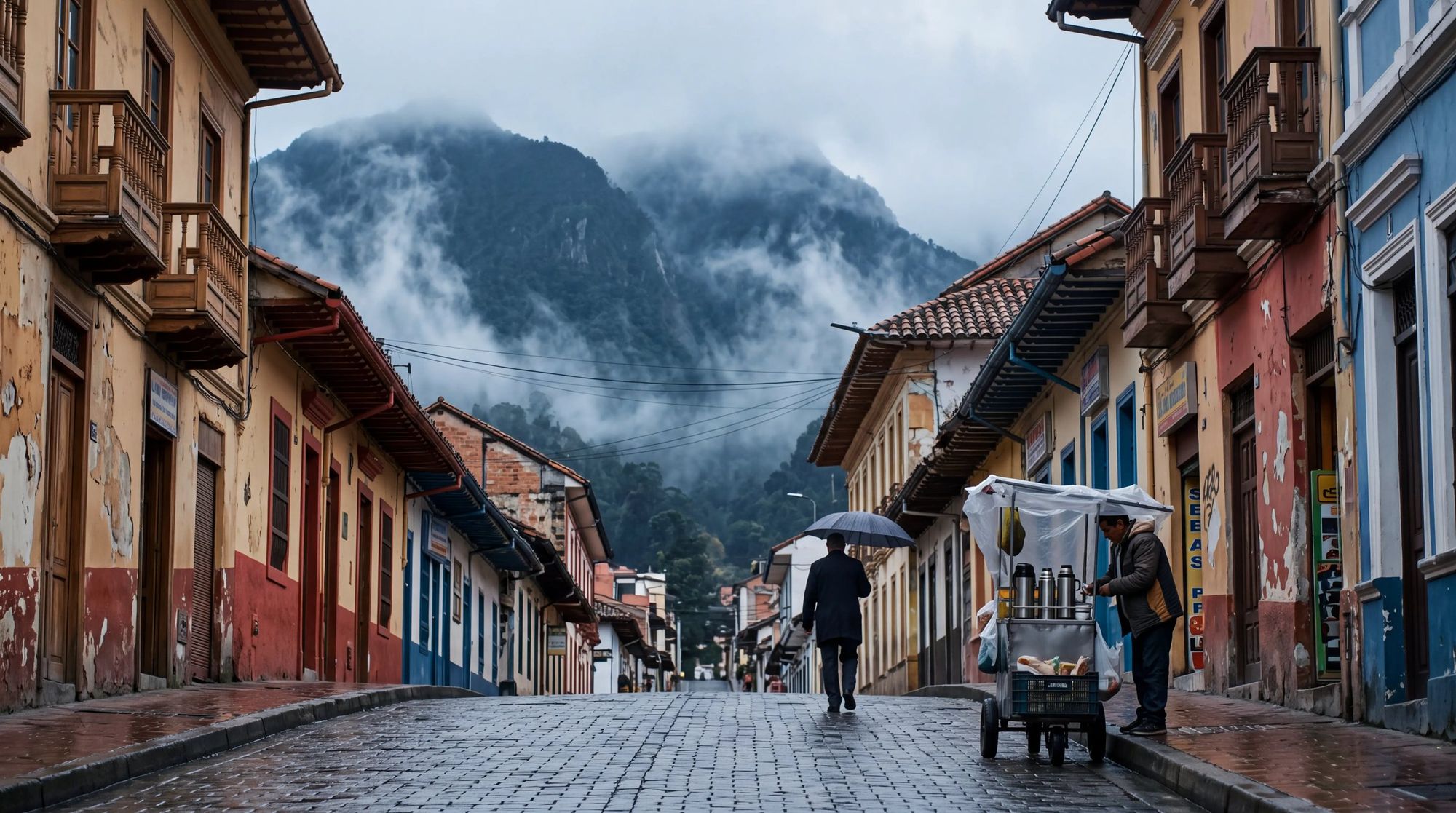
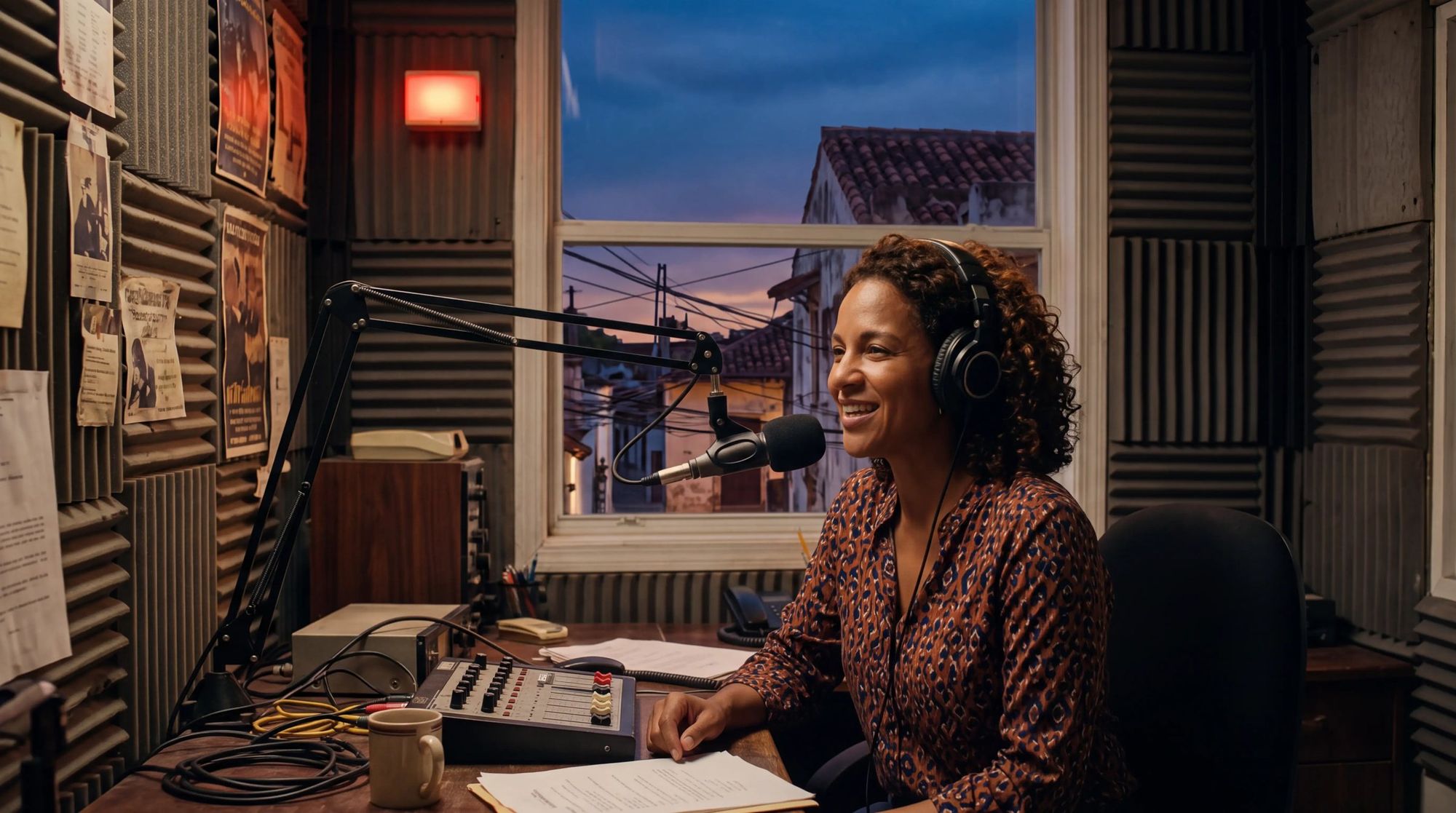
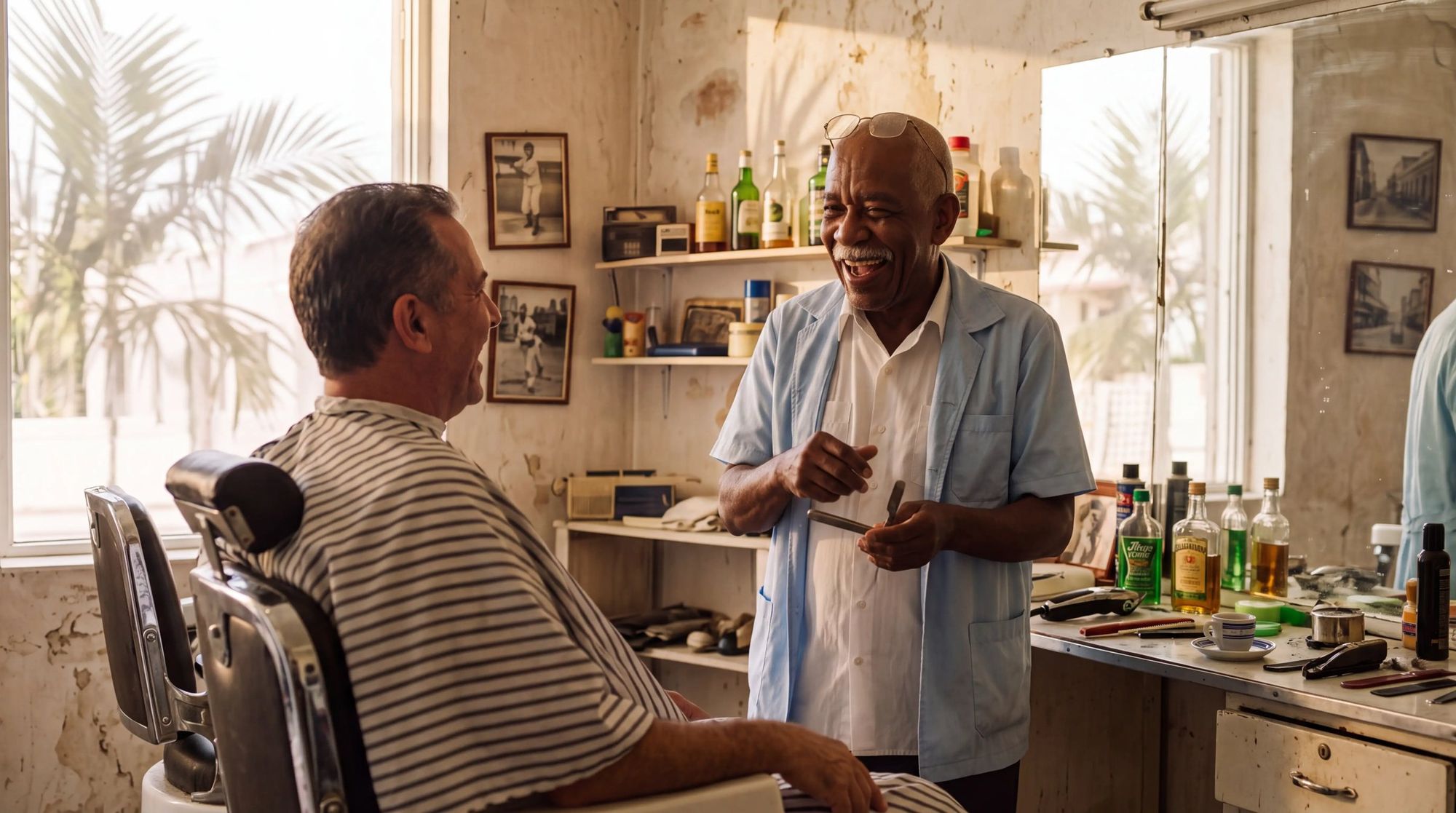
Five languages, five towns

Someone to
language with.

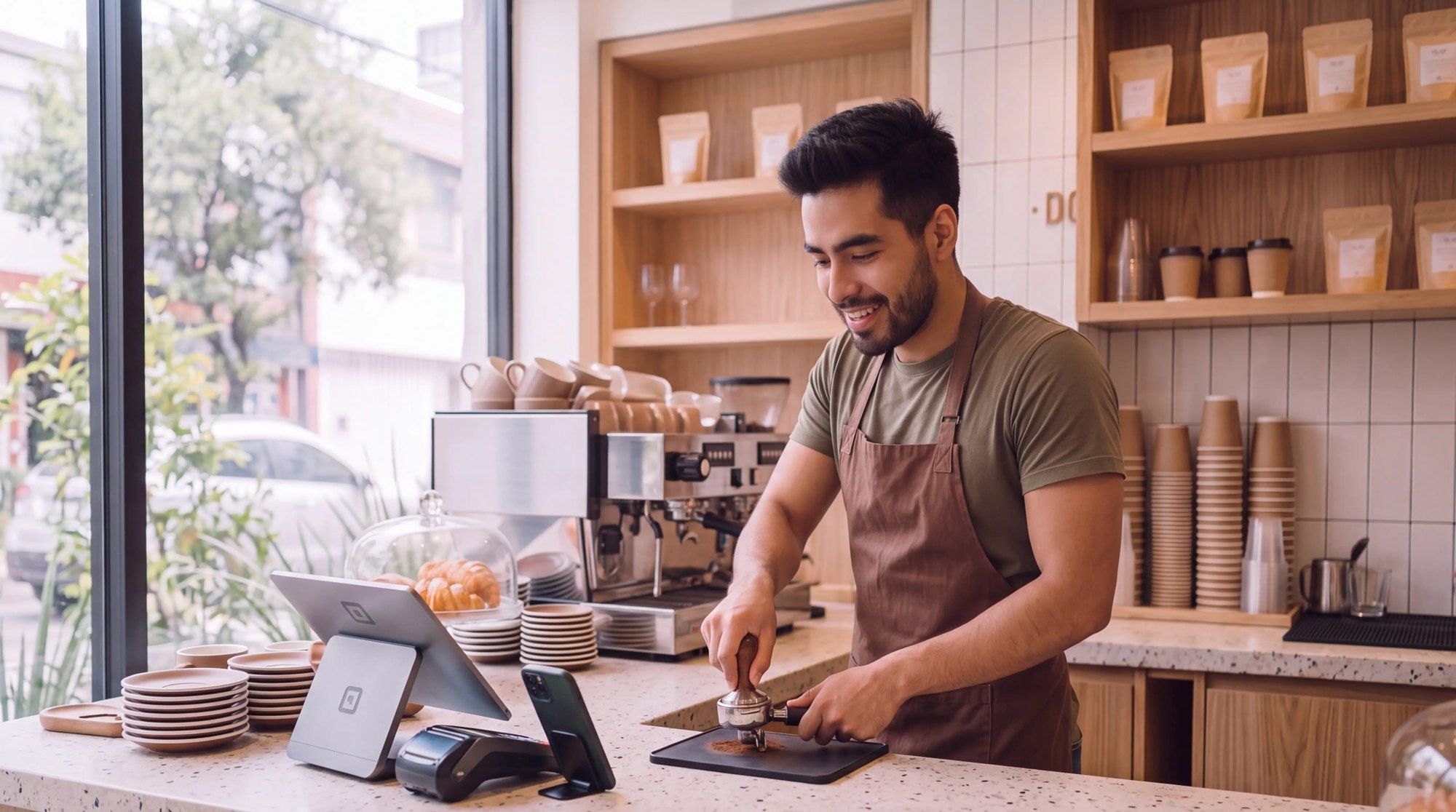
Call the people who live there, any hour. Work a shift in their café, hear their songs, watch their films. Book a real teacher when you want one. Every hour lands in one place.

Your first conversations are on us.

Mateo · on the line

¿Qué onda? Cuéntame cómo te fue hoy.

Hey, what’s up? Tell me how today went.

Mateo · Mexico City

Amélie · on the line

Alors, raconte-moi ta journée. J’ai tout mon temps.

So, tell me about your day. I’ve got all the time in the world.

Amélie · Paris

Gianni · on the line

Pronto! Allora, com’è andata oggi?

Hello! So, how did today go?

Gianni · Rome

Caio · on the line

E aí, beleza? Bora trocar uma ideia?

Hey, all good? Let’s have a chat.

Caio · Rio de Janeiro

Marcus · on the line

Take your time. I’m not going anywhere.

Marcus · Chicago

I want to learn
Rewind · a real call

Your mistakes,
in your own voice.

A real call: our founder, Shaen, talking with Diego for eleven minutes about why he built Project Fluency. Rewind pulled out every moment he tripped, in his own voice, next to Diego’s fix from the same call.

SShaen with Diego · Friday 2 October · a real call00:00 / 11:26
00:0001:3902:5904:2507:0511:26
Rewind to 01:39
SShaen“Si no hubiera invitado   Yudy…”
What should it be?
Diego, in the same call — “Si no hubiera invitado a Yudy. En español, las personas llevan esa ‘a’ antes.”
Rewind to 02:59
SShaen“Si Jezza no habría tomado el control de Instagram…”
What should it be?
Diego, in the same call — “Casi — si Jezza no hubiera tomado. Después de ‘si’, siempre hubiera, nunca habría.”
Rewind to 04:25
SShaen“Si no hubiera salido   mi trabajo de consultor…”
What should it be?
Diego, in the same call — “Si no hubiera salido de mi trabajo — necesita esa ‘de’ ahí.”
Rewind to 07:05
SShaen“¿Habría preguntado a inversionista?”
What should it be?
Diego, in the same call — “Casi — habría preguntado al inversionista. Con el artículo ‘al’.”
Rewind to 01:22
SSam“Hier soir, j’ai allé au cinéma avec ma sœur.”
What should it be?
Philippe, in the same call — “Je suis allé au cinéma. Aller, c’est avec être : je suis allé.”

Rewind to 03:03
SSam“J’ai né à Chicago, mais j’habite ici depuis mai.”
What should it be?
Philippe, in the same call — “Presque… je suis né à Chicago. Naître aussi, c’est avec être.”
Rewind to 04:38
SSam“Ce week-end, j’ai resté à la maison.”
What should it be?
Philippe, in the same call — “Je suis resté à la maison. Rester, c’est être.”
Rewind to 06:42
SSam“Après le travail, je suis marché deux heures.”
What should it be?
Philippe, in the same call — “Ah, là c’est avoir : j’ai marché deux heures. Marcher prend avoir.”
Rewind to 01:14
SSam“Io piaccio la pizza napoletana.”
What should it be?
Giulia, in the same call — “Mi piace la pizza napoletana! È la pizza che piace a te.”

Rewind to 03:23
SSam“Mi piace i musei di Roma.”
What should it be?
Giulia, in the same call — “Mi piacciono i musei: sono tanti, quindi piacciono.”
Rewind to 05:21
SSam“  Mia sorella piace il calcio.”
What should it be?
Giulia, in the same call — “A mia sorella piace il calcio. Ci vuole la a, a chi piace.”
Rewind to 07:18
SSam“Ieri mi è piaciuto le lasagne.”
What should it be?
Giulia, in the same call — “Mi sono piaciute le lasagne. Al passato piacere va con essere, e segue le lasagne.”
Rewind to 01:24
SSam“  is raining a lot in Chicago today.”
What should it be?
James, in the same call — “It’s raining a lot, yeah. English needs the it: it’s raining.”

Rewind to 02:32
SSam“  is very important for my job.”
What should it be?
James, in the same call — “It’s very important for your job. Even when it means nothing, English wants it there.”
Rewind to 04:23
SSam“  is my first time on a call like this.”
What should it be?
James, in the same call — “It’s your first time? Welcome. It’s my first time, with the it.”
Rewind to 06:29
SSam“  was a long week, honestly.”
What should it be?
James, in the same call — “It was a long week, I bet. It was, with the it up front.”
Rewind to 13:07
SShaen“Eu tenho muito amigos.”
What should it be?
Marcelo, in the same call — “Quase! ‘Amigos’ é masculino plural, então é ‘muitos amigos’. O adjetivo segue o gênero.”

Rewind to 25:51
SShaen“Eu dormi muito bom ontem à noite.”
What should it be?
Marcelo, in the same call — “Quase! ‘Bom’ é adjetivo, mas aqui precisa de advérbio: ‘bem’. Eu dormi bem ontem à noite.”
Rewind to 27:16
SShaen“Eu viajei a Rio, ééé, ótimo ano.”
What should it be?
Marcelo, in the same call — “E lembra: depois de ‘Rio’ precisa de preposição. Eu viajei para o Rio no ano passado.”
Rewind to 28:55
SShaen“Eu escutei, ééé, uma canção muito bem.”
What should it be?
Marcelo, in the same call — “Quase! ‘Muito bem’ é advérbio. Aqui você precisa de adjetivo pra descrever a canção: ‘uma canção muito boa’.”
His habitthe little words: a, de5 times in this one call
Where it goes next

It keeps coming back until it’s yours.

That one habit, the little words a and de, follows you into four places. Pick one.

01 · The next callDiego · Mexico City
La última vez lo produjiste solo, sin ayuda — “si hubiera tenido, habría hecho” tres veces seguidas. Hoy lo sacamos del contexto de negocios. ¿Empezamos?

Last time you did it on your own, no help: three times in a row. Today we take it out of business. Shall we?

Call now

It picks up where you left off. Diego opens the next call on the last one and listens for the little words. When an a or a de slips, he catches it right there, without a lecture.

Diego’s real opening for our founder’s next call
Your callsDiegoand the rest of town, any hour
Your teacherNot yet in FrenchLive classes run in Spanish for now
Your teacherYudyBogotá · one-to-one, by video
02 · Your teacher

A real teacher. Then the town takes over.

From your callsDiego · 2 October
  • a / de dropped 5 times: “salido de mi trabajo”
  • si + hubiera: nearly automatic
From your classYudy · 24 September
  • Caught it in class too: “ir a estudiantes”
  • Practised salir de, depender de, invitar a
  • → Your next call picks it up

Everyone in town is AI, made to give you the hours. The teachers are real people, there for everything else. Live classes are in Spanish for now.

02 · Your teacher

A real teacher, when French opens.

From your callsPhilippe · 5 October
  • être / avoir mixed up 4 times: “je suis allé”
  • marcher: right by the end of the call
When French opensLive classes
  • A real teacher, one-to-one by video
  • One live class saved for you, on us
  • → Your next call picks it up

Everyone in town is AI, made to give you the hours. The teachers are real people, there for everything else. Your first class is saved until French opens.

02 · Your teacher

A real teacher, when Italian opens.

From your callsGiulia · 3 October
  • piacere turned round 4 times: “mi piacciono i musei”
  • a mia sorella piace: right by the end of the call
When Italian opensLive classes
  • A real teacher, one-to-one by video
  • One live class saved for you, on us
  • → Your next call picks it up

Everyone in town is AI, made to give you the hours. The teachers are real people, there for everything else. Your first class is saved until Italian opens.

02 · Your teacher

A real teacher, when English opens.

From your callsJames · 4 October
  • it dropped 4 times: “it’s very important”
  • it was: right by the end of the call
When English opensLive classes
  • A real teacher, one-to-one by video
  • One live class saved for you, on us
  • → Your next call picks it up

Everyone in town is AI, made to give you the hours. The teachers are real people, there for everything else. Your first class is saved until English opens.

02 · Your teacher

A real teacher, when Portuguese opens.

From your callsMarcelo · 25 September
  • bom / bem mixed up 3 times: “dormi bem”
  • há dois anos: right on the second try
When Portuguese opensLive classes
  • A real teacher, one-to-one by video
  • One live class saved for you, on us
  • → Your next call picks it up

Everyone in town is AI, made to give you the hours. The teachers are real people, there for everything else. Your first class is saved until Portuguese opens.

03 · Study · a cheat sheet

One page for every mistake in your last 30 days of calls, built from your own sentences.

Your cheat sheetLast 30 days

Prepositions

What is this?

Each of the six has a learnable job. You can’t guess which one goes with which verb: soñar con, insistir en, buscar with nothing. It arrives with the verb.

From your calls3 most recent
si no hubiera invitado Yudysi no hubiera invitado a YudyDiego · Fri 2 Oct
si no hubiera salido mi trabajosi no hubiera salido de mi trabajoDiego · Fri 2 Oct
habría preguntado el inversionistahabría preguntado al inversionistaDiego · Fri 2 Oct

plays the moment back in your own voice, then Diego’s fix

Your cheat sheetLast 30 days

Être ou avoir ?

What is this?

Most verbs make the past with avoir. A short list lives in the house of être. They are verbs of coming, going, staying and being born: je suis allé, je suis resté, je suis né. Marcher stays with avoir.

From your calls3 most recent
j’ai allé au cinémaje suis allé au cinémaPhilippe · Mon 5 Oct
j’ai né à Chicagoje suis né à ChicagoPhilippe · Mon 5 Oct
je suis marché deux heuresj’ai marché deux heuresPhilippe · Mon 5 Oct

plays the moment back in your own voice, then Philippe’s fix

Your cheat sheetLast 30 days

Mi piace

What is this?

In Italian the thing you like is the subject: it does the pleasing. One thing, mi piace; more than one, mi piacciono; someone else, a mia sorella piace.

From your calls3 most recent
io piaccio la pizzami piace la pizzaGiulia · Sat 3 Oct
mi piace i museimi piacciono i museiGiulia · Sat 3 Oct
mia sorella piace il calcioa mia sorella piace il calcioGiulia · Sat 3 Oct

plays the moment back in your own voice, then Giulia’s fix

Your cheat sheetLast 30 days

The little word: it

What is this?

Spanish lets the subject drop: es importante, llueve. English never does: weather, time and opinions all start with an empty it. It’s raining, it’s late, it was a long week.

From your calls3 most recent
is raining a lotit’s raining a lotJames · Sun 4 Oct
is very important for my jobit’s very important for my jobJames · Sun 4 Oct
was a long weekit was a long weekJames · Sun 4 Oct

plays the moment back in your own voice, then James’s fix

Your cheat sheetLast 30 days

Bom ou bem?

What is this?

Bom describes a thing and agrees with it: um café bom, uma canção boa. Bem describes how you do something and never changes: dormi bem.

From your calls3 most recent
o café daqui é muito bemo café daqui é muito bomMarcelo · Fri 25 Sep
eu dormi muito bomeu dormi muito bemMarcelo · Fri 25 Sep
uma canção muito bemuma canção muito boaMarcelo · Fri 25 Sep

plays the moment back in your own voice, then Marcelo’s fix

04 · Games · work a shift in town
When you want more

Everything else is one door away.

Grow · 01 / 12
2 OCT 2026
From Diego
Las preposiciones

Shaen, «habría preguntado al inversionista»: el «al» marca que el inversionista es a quien se dirige la pregunta, el objeto indirecto. La preposición viene con el verbo, no se adivina. En esta llamada te pasó tres veces: invitar a, salir de, preguntar a. Apréndelos juntos.

Diego
From Diego
The lines
si no hubiera invitado Yudysi no hubiera invitado a Yudy
si no hubiera salido mi trabajosi no hubiera salido de mi trabajo
habría preguntado el inversionistahabría preguntado al inversionista
Diego
After the call

Then a note arrives.

After every call, they leave you a note: the one thing worth keeping, in their own words. Turn it over for the lines you said.

Diego’s note, after the real call in Rewind
B1 · INTERMEDIATE
B1.1New territory

I can join a conversation on familiar topics without preparation

ON THE TABLE NOWSit B1.1
Progress

Your level, as a walk across town.

All 28 levels laid out as one walk through the neighbourhood, every district named in the language you’re learning. Each stop tells you what it asks of you.

El Mercado · La Plaza · La Avenida · El Mirador
Dra. Marcela RestrepoExaminer · Bogotá
Doña Carmen IbarraExaminer · Madrid
Maestro Aurelio PeñaExaminer · Guadalajara
Three examiners for Spanish · every language has its own
AprobadoB1.1
Sitting B1.1

Prove your level.
Out loud.

When the walk says you’re ready, you sit it: a spoken exam with an examiner, in one sitting. Speaking, listening and reading, graded on six criteria. Pass, and B1.1 is yours, stamped and dated.

28 levels · exams A1.1 to B2.6 in all five languages
El Diario del Barrio
WEEK 39 · 21–27 SEPEDITION Nº 39
MINUTES 117 ▼IN CLASS 100′ —STORIES 3 ▲CHEAT SHEETS 5 ▲HOURS 2 ▼

117 minutes of Spanish

Diego, Friday: 13 minutes, the longest call of the week.

117′SPOKEN
100′IN CLASS
17′ON CALLS
Day by day
MONquiet
TUEquiet
WED50 minclass
THU50 minclass
FRI16 mincalls
SAT1 min3 stories
1 cheat sheet
SUN4 cheat sheets
Your week over week
WEEK 39CHANGEWEEK 38
Spoken minutes117▼ −11%132
In class minutes100—100
On calls minutes17▼ −47%32
Stories heard3▲ +200%1
Cheat sheets opened5▲ new0
Hours closed2▼ −33%3
Eight weeksMINUTES A WEEK
56Aug 3144Aug 10102Aug 1788Aug 2464Aug 31—Sep 7132Sep 14117Sep 21avg88
callsclasses
The weekly paper

A paper about your week, every week.

Every Monday, a new edition written from your week: how many minutes you spoke, with whom, and the weather of every day.

A real edition · our founder’s week of 21 Sep
PROGRESS38 H 09SPEAKING SPANISH16 PEOPLE · LIVE CLASSES
YUDYLIVE CLASS
15 H 23
SANTIAGO
2 H 45
DIEGO
2 H 08
CARMEN
2 H 01
LUIS
1 H 19
ROSITA
1 H 15
SOFIA DOMINGUEZ
1 H 13
Hours spoken

Every hour, with everyone, in one place.

Calls with the town and classes with your teacher, side by side. No streak to keep, nothing to lose.

Our founder’s real hours in Spanish
Stories

Stories you lean in for.

Audio stories told by people from town, over painted scenes. Find them by situation, grammar or slang. Some we write around the words you trip on.

Tap a record. The words light up as they’re sung.
Music

Songs worth playing twice.

Original records in every genre, sung by people from town. Listen, or answer as you go, while every word lights up.

Movies · Don J Originals

The town makes movies.

Short films that teach one thing without ever saying which. This one is about getting ready: me pongo, me preparo, me voy. In the app, tap a face and the film recasts around them.

Me preparo · 1:47 · Spanish, with both subtitles
SCIENCES · OCÉAN INDIENTap the headline for EnglishA1.1 · 391 words · 5 questions
UN NOUVEAU PINGOUIN1

Des scientifiques ont fait une grande en septembre 2026. Ils ont trouvé une nouvelle de pingouin. C'est la première nouvelle espèce de pingouin depuis plus de cent ans. Le monde entier parle de cette nouvelle extraordinaire.

Ce pingouin vit sur les îles Kerguelen. Les îles Kerguelen sont dans l'océan Indien, très loin au sud. Il n'y a pas de ville sur ces îles. Elles sont à plus de 3 000 kilomètres de tout endroit habité en permanence. C'est un endroit très difficile à visiter. Le vent et le froid y sont très forts.

Question 1 of 5Comment s'appelle la nouvelle espèce de pingouin ?
Today’s news

Real reporting, at your level.

Real news, rewritten for your level and read page by page. Tap any word for its meaning, then answer five questions. A new one every week.

A real article · our founder’s French, A1.1
Guide

A magazine for every city.

One illustrated issue per city, each with its own look and lines you can hear. And help when you’re stuck.

Mexico City · Buenos Aires · Madrid · Cartagena
MATEO
TODAY
¿Y la entrevista del jueves? Cuéntame, que me quedé con la duda.
Estoy en el metro, no puedo hablar. Pero fue bien! Me preguntaron mucho de mi experiencia.
¡Qué bueno! ¿Y qué les dijiste?
Que trabajé de consultor cinco años.
TODAY, IN WRITING4 messages with Mateo
What you got right

“trabajé de consultor”: the past, first time.

The one thing

In writing, it opens too: ¡Pero fue bien!

Your message
Texting

Can’t talk? Text.

On the metro, in a meeting, too tired to talk: text the same person instead. They remember you all the same, and you still get the one thing worth fixing.

From Diego
Las preposiciones

La preposición viene con el verbo, no se adivina.

See examplesCall now
This week's paper›
Full immersion

Turn off the English.

When you’re ready, one switch moves the calls, the notes and the questions into the language you’re learning. Try it here. Learning two? Each keeps its own level, hours and walk.

The app’s own words, in both languages

Pricing

What’s on the menu.

  • A taste of everything

    Try every part of the app: calls, Rewind, stories, games and music. Your first conversations are on us.

  • Tourist$17.99/mo

    Most days

    Call or text most days. Rewind, your notes and the games keep picking up where you slipped.

  • Local$34.99/mo

    Every day, as much as you like

    Talk whenever you want, for as long as you want. Everything in the app, nothing held back.

Every plan includes Rewind, stories, games, music and the news, in any of the five languages.

Specials

Live classes.

With a real teacher

One-to-one, by video.

One class$25
Four classes$95
Book a class →

Coming soon

A real teacher, one-to-one, when French opens.

Join the waitlist →
Valentina in her kitchen in Mexico City at night, phone to her ear, smiling Amélie at home in Paris at night, phone to her ear, smiling Luca at home in Rome at night, phone to his ear, smiling Carolina at home in Rio de Janeiro at night, phone to her ear, smiling Marcus at home in Chicago at night, off duty, phone to his ear, smiling
Incoming call
ValentinaMexico City
“¡Hola! ¿Qué haces esta noche?”

Hi! What are you up to tonight?

AmélieParis
“Coucou ! Tu fais quoi ce soir ?”

Hey you! What are you doing tonight?

LucaRome
“Ehi, ciao! Che fai di bello stasera?”

Hey! Doing anything nice tonight?

CarolinaRio de Janeiro
“E aí! Vai fazer o quê hoje à noite?”

Hey! What are you doing tonight?

MarcusChicago
“Hey, it’s Marcus. You free tonight?”

Start with
one call.

Everything else grows from it.

Get your first call — free
No card · iPhone, Android and the web