
Italian isn't a language. It's an experience.
85 million speakers. The world's 8th largest economy. The language of art, opera, fashion, and food. Italian doesn't just open doors—it unlocks an entire way of living that the rest of the world tries to imitate.
You can memorize every pasta name and still embarrass yourself ordering in Florence because you don't know the difference between "un caffè" at the bar versus "per tavolo." You can ace verb conjugations and still offend your Roman host because you didn't understand the unwritten rules of fare bella figura. You can study Italian for years and still miss the joke because nobody taught you that Romans speak differently than Milanese—and both think the other is wrong. The gap between "knowing Italian" and actually navigating Italian culture is where most learners get lost. Apps teach you textbook phrases. They don't teach you to handle the nonno who refuses to switch from dialect, or the Milanese colleague who expects business Italian you never learned.
Why people actually learn Italian
Behind every Italian learner is a moment that made them realize phrasebooks weren't going to cut it.
Italian connects you to the world's 8th largest economy
Italy isn't just pasta and history. It's a G7 powerhouse in fashion, automotive, machinery, and design that exports $600+ billion annually.
Italy GDP Ranking
Italy is a G7 nation and the 3rd largest economy in the Eurozone after Germany and France.
UK Trade Value
Italy is the UK's largest non-English-speaking goods export market.
EU Native Speakers
65 million EU citizens speak Italian as their native language—the 2nd most in the EU.
Language Demand
Italian appears in 14% of UK job ads requiring languages—especially in finance and luxury sectors.
Albanian Knowledge
Albania has made Italian a compulsory second language in schools due to economic and cultural ties.
Learning Demand
English speakers actively learning Italian on Duolingo alone—one of the most popular choices.
"Job candidates proficient in more than one language are extremely valuable and have a competitive edge in the economy, where a large proportion of jobs involve work with international clients."
— American Council on Education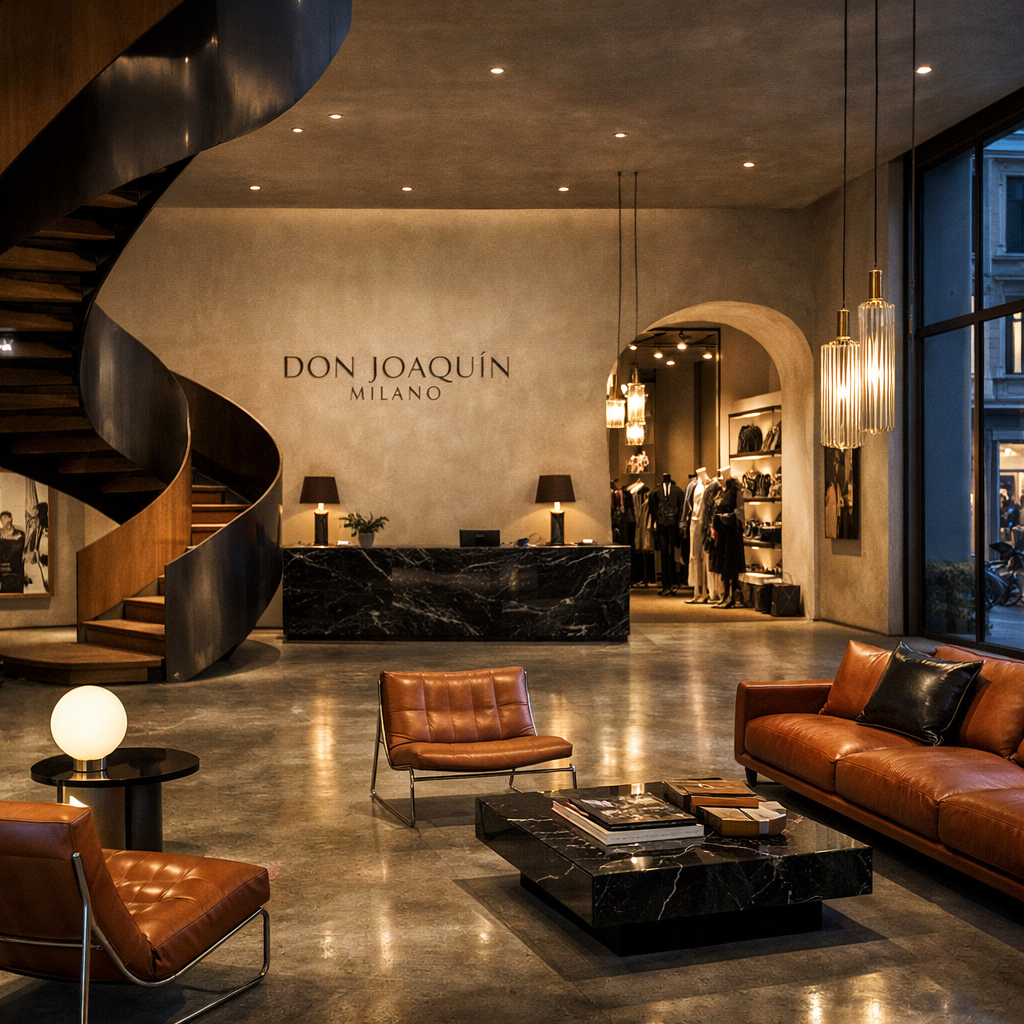
Fashion. Design. Automotive. Luxury.
Ferrari, Lamborghini, Armani, Versace, Prada, Gucci, Fendi—the brands that define luxury worldwide all speak Italian. Milan is one of the world's four fashion capitals. Italian design sets global standards from furniture to architecture to food.
From 5.5 million immigrants to 17 million descendants
The largest European migration in American history. But the language didn't always come with it.
The largest wave of Italian immigration in history. Immigrants built railroads, subways, and skyscrapers while establishing Little Italys from New York to San Francisco.
National Italian American FoundationThe 5th largest ancestry group in America. But only ~1 million still speak Italian at home. Connecticut leads with 16.1% Italian ancestry; New York has the largest total population at 2.3 million.
US Census 2020Italian college enrollment grew faster than French or German. Heritage reconnection is driving a renaissance in Italian language learning among Italian American descendants.
Sons of Italy News BureauHeritage speakers who grew up hearing Italian at Sunday dinners have a head start. The sounds are familiar, the vocabulary is partially there, and the cultural context makes learning feel like coming home. Active practice reactivates what passive exposure couldn't preserve.
Italian is the closest major language to Latin
Same FSI Category I as Spanish and French. The most phonetically consistent Romance language—what you see is what you say.
Hours to professional proficiency. Consistent pronunciation rules, logical grammar, and the most Latin-like vocabulary of any major language.
Hours to professional proficiency. Different writing systems, unfamiliar sounds, minimal English cognates.
Your brain on bilingualism
Learning Italian isn't just practical—it physically changes your brain in ways that protect it for decades.
Bilinguals develop dementia symptoms years later than monolinguals—better than any known medication.
Neurology Research 2024Bilingual individuals have significantly greater employment opportunities across industries.
St. Augustine College ResearchBilingual employees are significantly more likely to receive pay increases than monolingual peers.
New American EconomyThat's why we built Project Fluency
The data makes the case. But data doesn't teach you to navigate a Roman café or close a deal in Milan. That's where our characters come in.
Characters, Not Curricula
Meet Davide who throws Roman slang at you until you stop sounding like a textbook, Marco who judges your food order, and Chiara who drills business Italian until you're boardroom-ready.
Three Italian Properties
From Fattoria Ferretti in Tuscany to Caffè Ferretti in Rome's Trastevere to Don Joaquín Milano in Brera. Navigate regional Italian with characters who speak like actual Italians.
Characters Remember You
Our AI remembers your mistakes, tracks your progress, and adapts conversations to challenge exactly where you need growth. No more repeating the same basics.
The data says learn Italian. The question is how.
You can spend another year conjugating verbs in isolation. Or you can start conversations with characters who'll correct your pronunciation, challenge your grammar, and prepare you for the real Italian-speaking world—from Tuscan farms to Milanese boardrooms.
The 5th largest ancestry group in America. Time to reconnect.